Structural Stabilization of Existing and Historic Masonry Buildings
Tuesday, May 12, 2026 | 12-1 p.m. Eastern Time
1 LU/HSW
Learning Objectives:
- Identify common structural systems and construction technologies found in historic and existing masonry buildings that enhance performance, durability, and energy efficiency.
- Recognize typical structural failures and evaluate stabilization and repair methods that enhance safety and building performance.
- Compare repair and stabilization approaches based on structural type, deterioration patterns, and current conditions.
- Explain how the Secretary of the Interior’s Standards for the Treatment of Historic Properties inform the selection of appropriate stabilization and repair solutions for long-term building performance.
About the SpeakerS
Jason Coleman, PE, SE, CDT, FICRI
Principal - Managing Director, Walter P. Moore
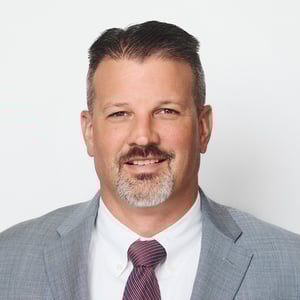
Jason Coleman is a Principal in the Diagnostics Group at Walter P Moore, bringing more than 27 years of experience in structural engineering. He is a licensed Professional Engineer in seven states and a licensed Structural Engineer in Georgia. Jason is a SPRAT-certified Level 3 Rope Access Supervisor and holds the Construction Document Technologist (CDT) certification from CSI. He is a Fellow of the International Concrete Repair Institute (ICRI), a past president of the ICRI Delaware Valley Chapter, and previously served on its Technical Activities Committee, including as Chair of the Masonry Technical Committee. Jason is also a past president of the Structural Engineering Association of Pennsylvania (SEAoP) and continues to serve on its Board of Directors. In addition, he is an active member of several American Concrete Institute (ACI) committees. Jason’s practice focuses on the investigation, stabilization, and repair of existing structures. He has extensive expertise in historic masonry and structures, building façades, and concrete structures.
Rachel Palisin, PE LEED AP
Principal, Walter P. Moore

Rachel Palisin is a Principal in Walter P Moore’s Diagnostics Group, with nearly twenty years of experience in evaluation, stabilization, and repair of existing building enclosures. Her work centers on historic and existing masonry systems, including load-bearing masonry, anchored veneers, stone cladding, terra cotta, precast concrete, and associated waterproofing and anchorage systems. Rachel is a recognized leader in evaluating and improving the performance of existing enclosures, with particular expertise in condition assessments and the development of repair strategies that prioritize material compatibility, durability, and preservation of historic fabric. Her approach is informed by extensive restoration and rehabilitation experience, allowing her to balance technical performance requirements with conservation principles and constructability. She works extensively with universities, healthcare and research institutions, and government owners, supporting stabilization and repair projects that address safety, service life, and long-term stewardship. Rachel currently serves on the Board of Directors for the Association for Preservation Technology International (APT) and co-chairs the Preservation Engineering Technical Committee (PETC), is a commissioner on the Town of Cary’s Historic Preservation Commission, and serves on the Board of Directors for the Building Enclosure Council – Research Triangle (BEC-RT).